Collect & pretreat
We gather waste feedstock from local sources, then clean and filter it. Pretreatment strips out the water, solids and free fatty acids that would otherwise spoil the reaction.
A closed loop run like a fuel plant: collect what others throw away, convert it near the source, and return it as fuel that meets the same standards as the fossil product it replaces.
Feedstock comes in as waste and leaves as certified fuel, with the methanol reused and the glycerol recovered along the way. Very little is wasted twice.
We gather waste feedstock from local sources, then clean and filter it. Pretreatment strips out the water, solids and free fatty acids that would otherwise spoil the reaction.
The prepared feedstock runs through a continuous-flow conversion process, turning waste oil and lipids into fuel-grade product rather than batch by batch.
Methanol is recovered and reused, and glycerol is separated and purified as a by-product. The fuel itself is refined to remove the last impurities.
Every batch is quality-tested against the relevant ASTM and EN standards before it ships as clean, drop-in fuel.
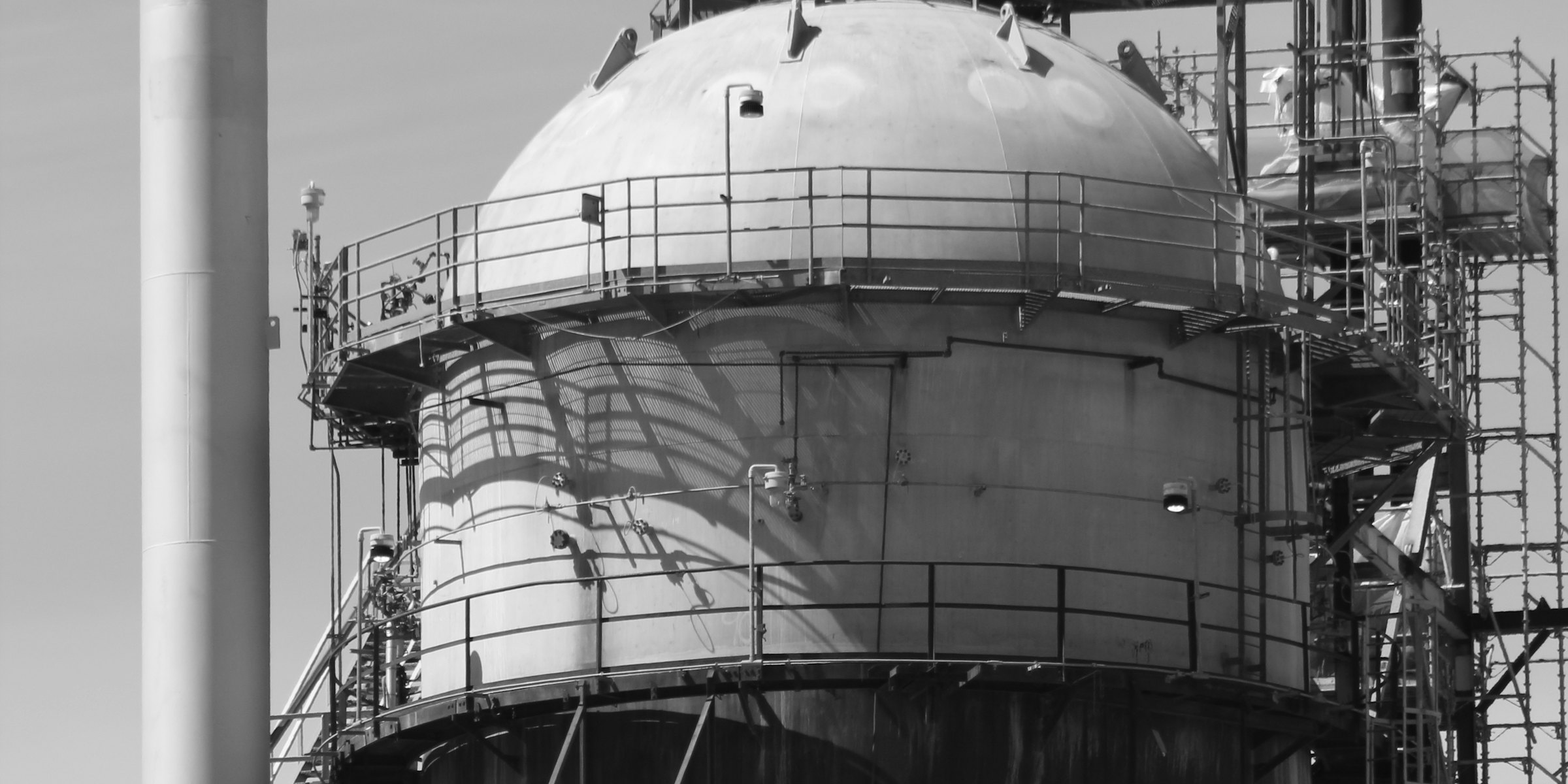
Decentralised, continuous and quality-controlled, so the fuel that leaves is the fuel the standard promises.
A fuel is only useful if it behaves like the one it replaces, so each product is refined to a recognised specification. The glycerol separated during production is purified and put to use rather than dumped.