Skip to content

Three fuels, one idea: waste becomes energy.

Each fuel starts as something discarded and ends as certified, drop-in fuel for the engines and aircraft already on the road and in the air.

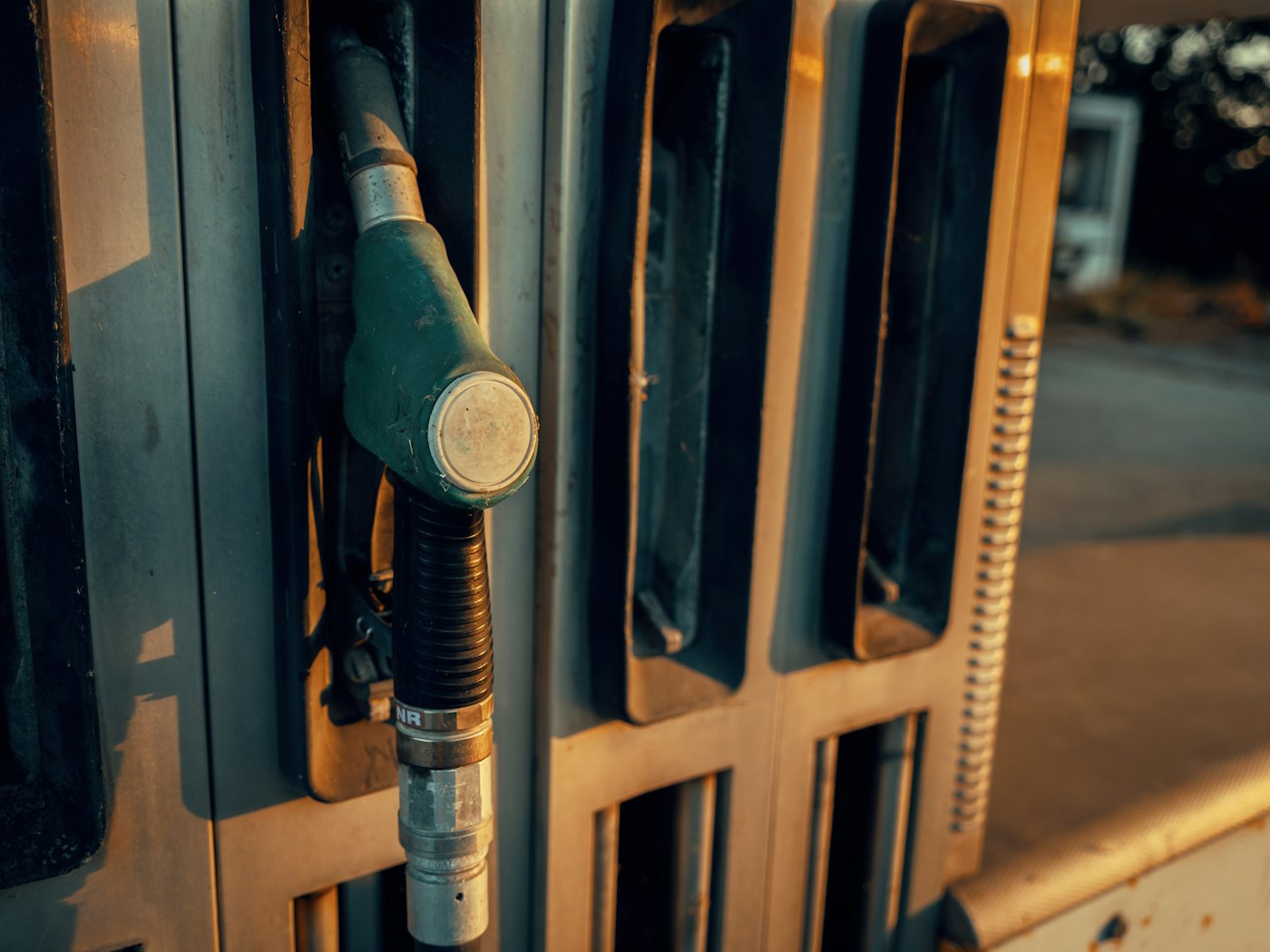
A fuel dispensing nozzle at a refuelling point

Biodiesel

In production

Cleaner diesel refined from waste cooking oil, tallow and other waste lipids. It meets the same fuel standards as fossil diesel, so it drops straight into existing engines, tanks and pumps with no retrofit.

How it is made

Feedstock is pretreated to strip out water and contaminants, converted in a continuous-flow process, then the methanol is recovered for reuse and the glycerol separated as a by-product.

Feedstock
Used cooking oil, tallow & waste lipids
Specification
ASTM D6751 · EN 14214
Applications
Heavy transport, fleets, industrial
Close-up of an aircraft jet engine

Sustainable aviation fuel

In development

Low-carbon jet fuel on a certified drop-in pathway. It blends with conventional jet fuel and works in the aircraft and airport infrastructure already in service. Aviation is hard to electrify, so a liquid drop-in fuel is the near-term lever.

How it is made

Captured carbon is converted to syngas, then to liquid fuel through Fischer–Tropsch synthesis, producing a synthetic paraffinic kerosene that meets jet-fuel specifications.

Feedstock
Captured CO₂
Specification
ASTM D7566 drop-in pathway
Applications
Commercial & freight aviation
Grown, not drilled

Microalgae biofuel

In research

A next-generation feedstock that is grown rather than drilled. Microalgae capture carbon as they grow, then refine into a renewable crude that can feed the fuels above.

How it is made

Cultivated, harvested and processed into a lipid-rich renewable crude. Currently at research stage as we work on cultivation and refining at scale.

Feedstock
Farmed microalgae
Specification
Pre-commercial
Applications
Future feedstock for biodiesel & SAF